Drooping Eyelids Affecting Your Vision? When to Consider Blepharoplasty


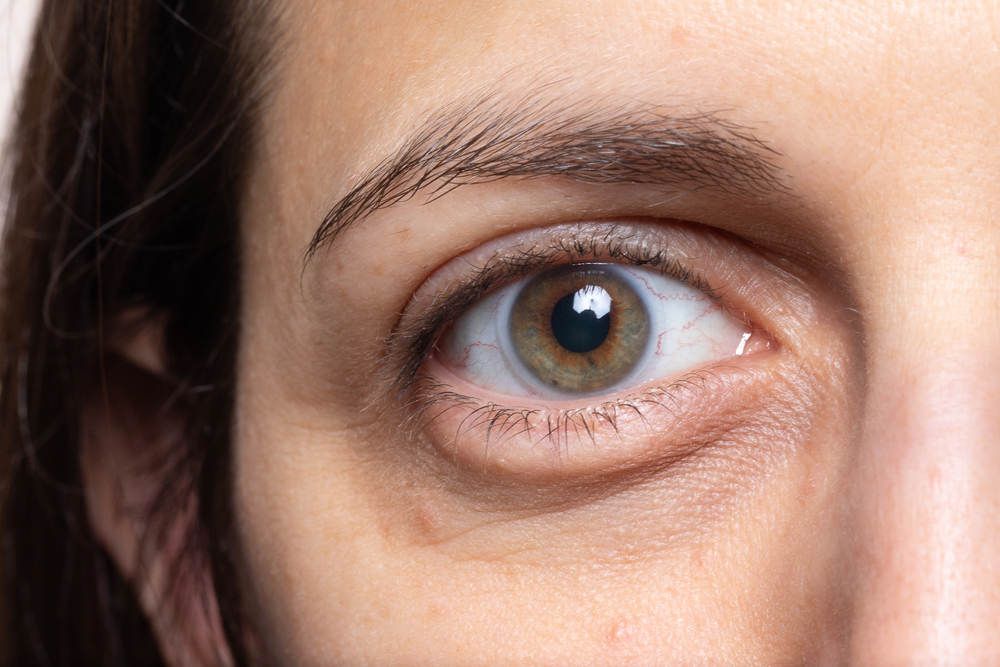
Drooping eyelids can do more than change your appearance. When excess eyelid skin begins to interfere with your vision, everyday activities like reading, driving, or working on a computer may become more challenging. At Shepard Eye Center, we help patients understand how drooping eyelids affect their vision and whether blepharoplasty could be an appropriate treatment option.
How Drooping Eyelids Can Affect Your Vision
As we age, the skin around our eyes gradually loses elasticity. This can cause the upper eyelids to sag, creating folds of excess skin that may partially obstruct our field of vision.
For some people, this change is primarily cosmetic. For others, drooping eyelids can interfere with their upper or peripheral vision, making certain daily activities more difficult.
Some people unconsciously raise their eyebrows or tilt their heads backward to compensate for heavy eyelids. Over time, these adjustments may contribute to forehead fatigue or discomfort.
Signs You May Benefit From Blepharoplasty
Blepharoplasty is an eyelid surgery that removes excess skin and, when appropriate, underlying fat to improve eyelid appearance or function.
You may want to consider an eyelid evaluation if you experience:
• Obstructed vision: Loose upper eyelid skin blocks part of your visual field.
• Difficulty with everyday activities: Heavy eyelids make reading, driving, or looking upward more challenging.
• Frequent eyebrow raising: You constantly lift your eyebrows to see more clearly.
• Heavy or tired eyelids: Your upper eyelids feel weighed down, particularly later in the day.
Not everyone with these symptoms needs surgery. A comprehensive evaluation can help determine whether excess eyelid skin is responsible.
What Happens During Blepharoplasty?
Upper eyelid blepharoplasty is typically an outpatient procedure that removes excess skin from the upper eyelids. When sagging skin obstructs vision, removing it may improve the upper visual field while creating a more open eyelid appearance.
At Shepard Eye Center, we also evaluate other conditions that may contribute to drooping eyelids. For example, true eyelid ptosis involves weakness or dysfunction of the muscle responsible for lifting the eyelid and may require a different surgical approach.
In some cases, drooping eyebrows contribute to excess skin over the eyelids, making a brow lift another potential consideration.
How Do We Determine if Surgery Is Necessary?
Before recommending blepharoplasty, we assess your eyelid position, eye health, symptoms, and how much excess skin affects your vision.
Visual field testing may help document whether your upper eyelids are restricting your sight. We also consider your medical history and individual goals when discussing treatment options.
What Should You Expect During Recovery?
Following blepharoplasty, temporary swelling, bruising, and mild discomfort are common. These symptoms generally improve as the eyelids heal, although complete recovery varies. We provide postoperative instructions to help patients care for their eyelids and understand when they can safely resume normal activities.
If drooping eyelids are affecting your vision or daily comfort, schedule a consultation with Shepard Eye Center to explore whether blepharoplasty is right for you. Visit our offices, Shepard Eye Center in Santa Maria, CA (805) 925-2637, and Kendall Shepard Eye Center in Lompoc, CA (805) 736-2020, to book an appointment today.
Quick Links