What Is the Main Cause of Pterygium?


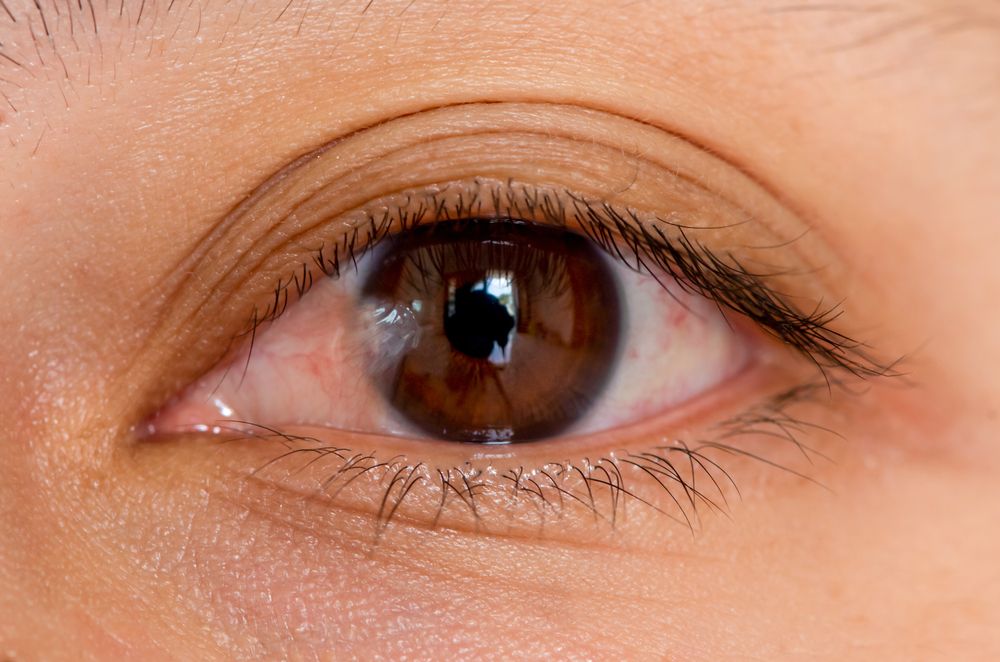
If you’ve ever noticed a raised, wedge-shaped growth forming on the white part of your eye, you may be dealing with a condition known as pterygium (commonly called “surfer’s eye”). While pterygium is typically benign, it can cause discomfort, vision changes, and cosmetic concerns if left untreated. Understanding what causes pterygium is an important first step in protecting your eye health.
The Primary Cause: Long-Term UV Exposure
The main cause of pterygium is prolonged exposure to ultraviolet (UV) light, particularly from the sun. UV radiation can damage the delicate tissues on the surface of the eye over time, leading to abnormal growth of conjunctival tissue that can extend onto the cornea.
People who spend a significant amount of time outdoors - especially without proper eye protection - are at a higher risk. This includes individuals who work or exercise in sunny environments such as construction workers, farmers, beachgoers, and outdoor sports enthusiasts.
Other Contributing Risk Factors
While UV exposure is the leading cause, several additional factors can increase the likelihood of developing pterygium:
- Chronic eye irritation: Frequent exposure to wind, dust, sand, or smoke can irritate the eye’s surface and contribute to tissue changes.
- Dry eye conditions: Inadequate tear production or poor tear quality can leave the eye more vulnerable to environmental stressors.
- Lack of eye protection: Not wearing sunglasses or protective eyewear allows UV rays and irritants to reach the eye directly.
The Importance of Early Detection
In its early stages, pterygium may cause mild redness, irritation, or a gritty sensation. As it progresses, the growth can become more noticeable and may begin to interfere with vision by altering the shape of the cornea or encroaching on the visual axis. Early detection allows your eye doctor to recommend preventive strategies or conservative management, as well as closely monitor the condition over time.
If symptoms worsen or vision is affected, additional treatment options may be considered, including pterygium surgery to remove the growth and help restore eye comfort and visual clarity when appropriate.
How Pterygium Can Be Prevented
Although pterygium cannot always be prevented, you can significantly reduce your risk by taking a few simple steps:
- Wear UV-blocking sunglasses when outdoors, even on cloudy days
- Use wide-brimmed hats to limit sun exposure
- Protect your eyes from wind, dust, and debris
- Use lubricating eye drops if you experience dryness or irritation
These habits are especially important for individuals who spend extended periods outside.
Take the Next Step at Shepard Eye Center
Pterygium is most commonly caused by long-term exposure to ultraviolet light, with environmental irritation and dry eye playing supporting roles. While it often begins as a minor issue, pterygium can progress and affect vision if not properly monitored. Protecting your eyes from UV exposure and scheduling regular eye exams are key to maintaining long-term eye health.
If you’re experiencing eye redness, irritation, or notice a growth on the surface of your eye, contact Shepard Eye Center to learn more about pterygium surgery. Visit our offices, Shepard Eye Center in Santa Maria, CA (805) 925-2637, Kendall Shepard Eye Center in Lompoc, CA (805) 736-2020, SLO LASIK & Cataract, in San Luis Obispo, CA (805) 387-2020, to request your consultation today.
Quick Links