What to Expect Before, During, and After Cataract Surgery


Cataract surgery is one of the most common and effective ways to restore clearer vision when cataracts begin to interfere with daily life. If you have been told you may need cataract surgery, knowing what to expect before, during, and after the procedure can help you feel more prepared.
Before Cataract Surgery
The process starts with a comprehensive eye exam and cataract evaluation. Your ophthalmologist will examine how much the cataract is affecting your vision and discuss symptoms such as blurred vision, glare, trouble driving at night, faded colors, or difficulty reading.
Before surgery, your eye doctor will also take detailed measurements of your eye. These measurements help determine the right lens implant for your needs after the cataract is removed. At Shepard Eye Center, our cataract surgeons also offer advanced lens implant options for patients who may want more customized visual outcomes.
During the Procedure
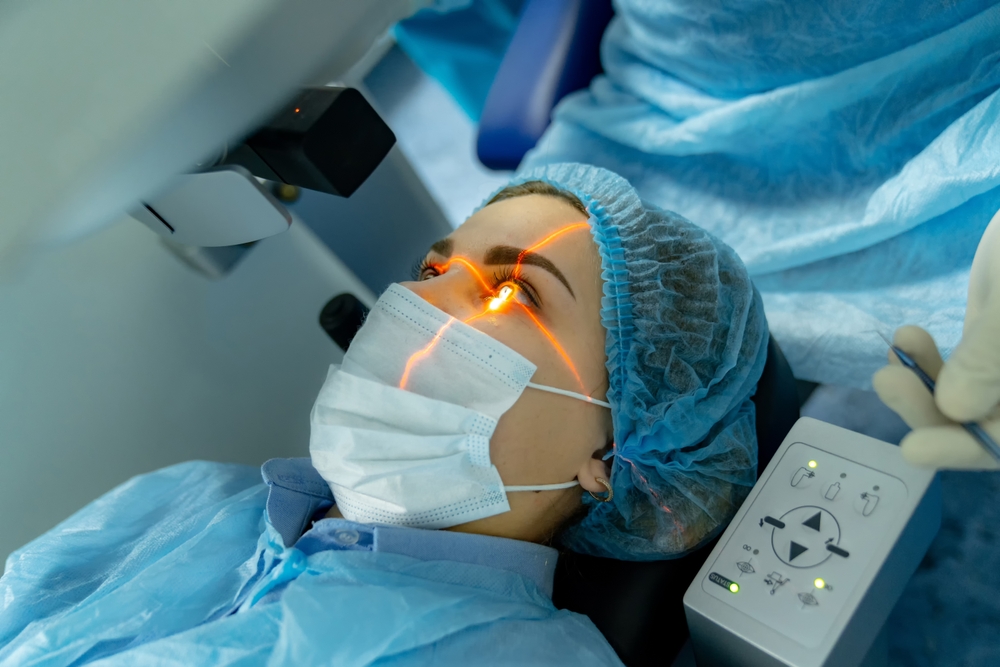
Cataract surgery is typically an outpatient procedure, meaning you go home the same day. The cloudy natural lens is removed and replaced with an artificial intraocular lens. Many cases are performed with light sedation and often without needles, stitches, or patches. The procedure itself is designed to be low risk and efficient.
What Patients Can Usually Expect
A pre-surgery evaluation and eye measurements
A same-day outpatient procedure
Light sedation for comfort
A lens implant placed after the cataract is removed
A short recovery period with follow-up visits
Right After Cataract Surgery
After surgery, it is normal to have mildly blurry vision at first as the eye begins to heal. Many patients notice vision improvement within hours, although full healing takes more time. You will need someone to drive you home, and you will receive instructions on using prescribed eye drops and protecting your eye during recovery.
Most people are able to return to many normal activities fairly quickly, but your doctor may ask you to avoid rubbing your eye, heavy lifting, or getting water directly in the eye for a short period.
Recovery and Follow-Up Care
Follow-up appointments are an important part of cataract surgery recovery. These visits allow your doctor to monitor healing, check your vision, and ensure the eye is responding well. If you choose a premium lens implant, your doctor may also discuss how your new vision is adjusting for reading, distance, or daily tasks.
Because every patient is different, recovery timelines can vary. Staying consistent with your post-op instructions is one of the best ways to support a smooth outcome.
When to Consider Cataract Surgery
Cataract surgery is usually recommended when cataracts start affecting your quality of life. This may include trouble reading, driving, working, or enjoying normal day-to-day activities. The best time for surgery depends on your symptoms, visual goals, and overall eye health.
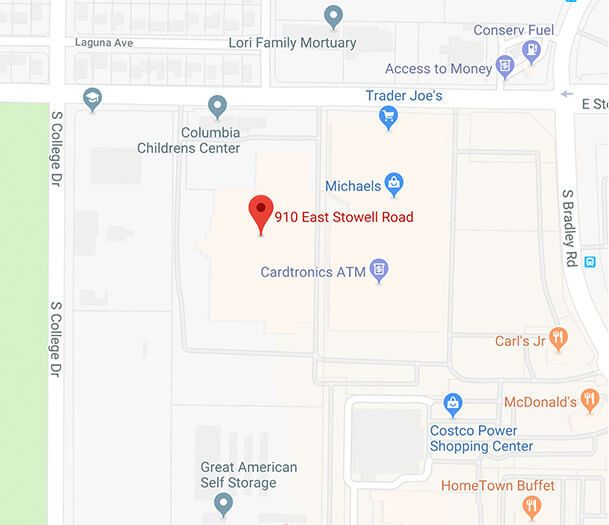
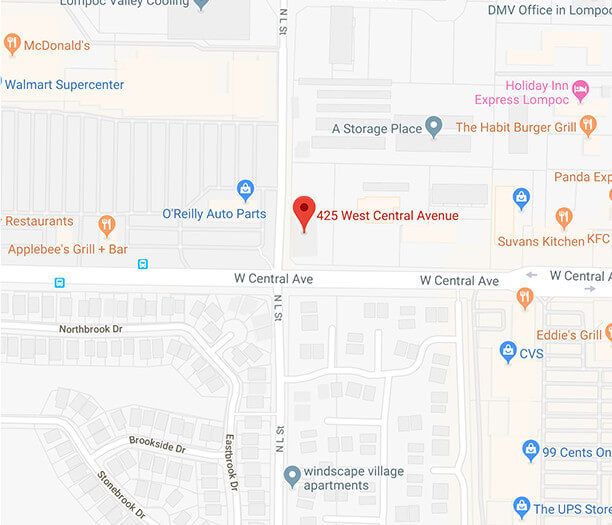
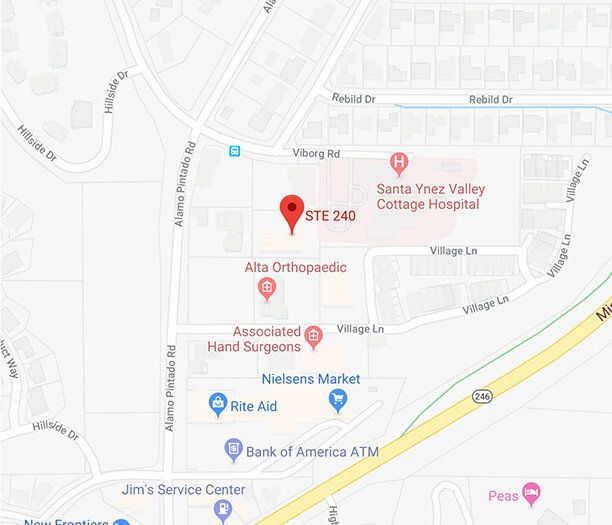
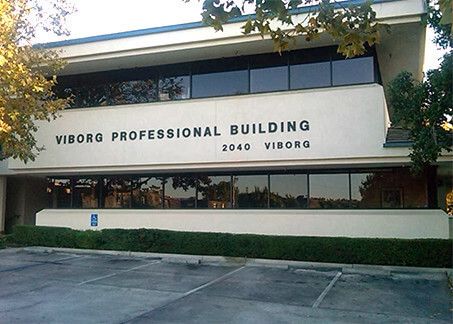
Contact Shepard Eye Center to schedule a cataract surgery consultation and learn more about your options. Visit our offices—Shepard Eye Center in Santa Maria, CA (805) 925-2637, and Kendall Shepard Eye Center in Lompoc, CA (805) 736-2020—to book an appointment today.
Quick Links